Texas Labor Force on the Rise: A Closer Look at New Records and Economic Impacts
The Texas economy is showing promising signs despite the tricky parts and tangled issues that often accompany economic growth. With a record-high civilian labor force and steady job increases over the past months, Texas has captured the attention of economists and small business owners alike. In this opinion editorial, we take a closer look at the recent statistics released by the Texas Workforce Commission (TWC) and explore how these numbers shape the economy, public policy, and opportunities for both employees and employers. We will also examine the subtle parts that can influence how we interpret such data and set the stage for further job creation within the state.
Record-Setting Employment: What the Numbers Really Mean
Texas’ civilian labor force has reached an all-time high of approximately 15,850,100 workers after the latest monthly increase of 10,800 people. Over the past year, the labor force added nearly 237,800 individuals. Meanwhile, total nonfarm jobs reached 14,329,200 despite a slight dip of 1,900 positions over the previous month. Although these numbers might seem overwhelming or even a bit intimidating at first glance, they tell a story of resilience and robust economic activity across the state.
This growth is particularly noticeable when we compare Texas’ annual nonfarm job growth rate of 1.4 percent with the national rate, which is lower by about 0.3 percentage points. For entrepreneurs and small business operators, such statistics are a reminder that the economic environment in Texas offers unique prospects despite the confusing bits and complicated pieces of modern economic dynamics.
Sectoral Successes and Job Growth Trends
Private Education and Health Services Lead the Charge
Among the various sectors, Private Education and Health Services has experienced the largest monthly increase with an addition of 6,900 jobs. This sector has proven to be a steady source of employment growth, demonstrating that even amid some of the tricky parts of the economic landscape, education and health services continue to provide ample opportunities for job seekers.
Below is a snapshot of job growth across several key sectors in Texas:
- Private Education and Health Services: +6,900 monthly jobs
- Leisure and Hospitality: +3,000 monthly jobs
- Information: +1,000 monthly jobs
- Construction: An annual growth rate of 2.4%, outpacing national figures by 0.9 percentage points
These positive changes indicate that sectors which directly serve community needs are quickly recovering and adapting to the current economic demands. For many Texans, particularly those who seek jobs that offer stability and security, this means more opportunities in fields that might have otherwise seemed off-putting or nerve-racking during tougher economic conditions.
Regional Variations: Understanding the Local Economic Landscape
While state-level figures provide a broad picture of Texas’ economic health, a closer inspection of major metropolitan areas reveals some intriguing regional differences. For example, the Midland Metropolitan Statistical Area (MSA) reported the lowest unemployment rate at 3.0 percent, with Amarillo and San Angelo following closely at 3.1 percent. These figures suggest that localized factors can either enhance or complicate statewide trends.
Consider the following breakdown of select MSAs:
| Region | Unemployment Rate (June 2025) | Notable Points |
|---|---|---|
| Midland MSA | 3.0% | Lowest in Texas, indicating strong job creation and stability |
| Amarillo MSA | 3.1% | Steady performance with competitive unemployment figures |
| San Angelo MSA | 3.1% | Competitive unemployment rate with promising growth prospects |
| Houston-Pasadena-The Woodlands | 4.3% | Larger urban area facing slight challenges due to diverse industry demands |
| Dallas-Fort Worth-Arlington | 3.8% | High nonfarm employment levels with various growth sectors |
These regional differences highlight the importance of the fine points when understanding how national trends are reflected at a local level. For small business owners and regional policymakers, such data is crucial in understanding where to best allocate resources to support further expansion in already thriving areas.
Challenges and Opportunities in an Evolving Job Market
Addressing the Nitty-Gritty in Workforce Data
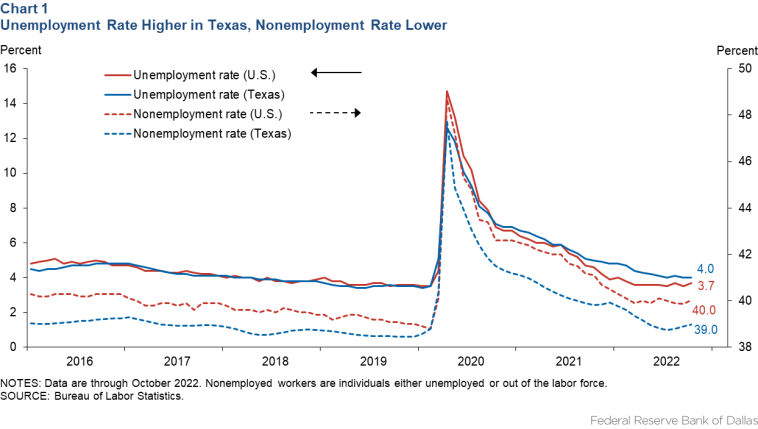
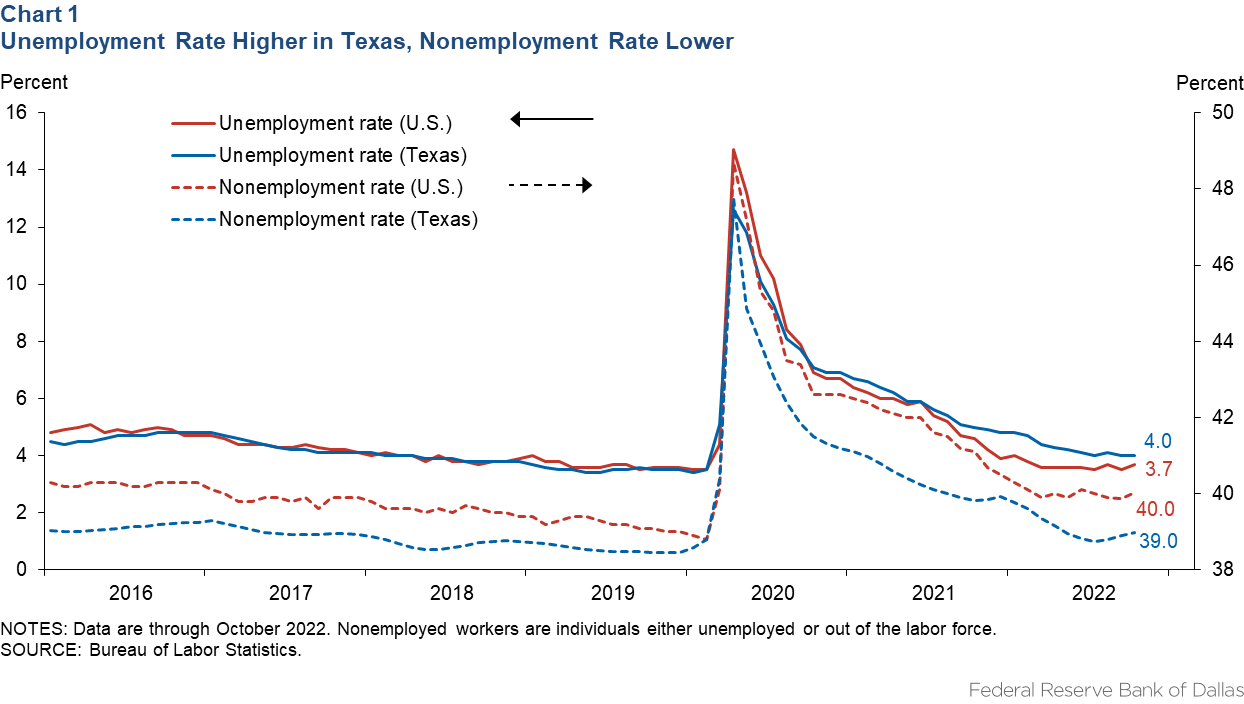
While the numbers paint a picture of robust growth, there are still several twists and turns that need to be understood. For instance, the seasonally adjusted unemployment rate decreased by a modest 0.1 percentage point, settling at 4.0 percent. This subtle shift, although seemingly minor, could influence the way employers strategize in recruiting and retaining talent.
Some factors that contribute to these trends include:
- Seasonal Adjustments: Shifts reflecting temporary increases or decreases in employment sectors.
- Sector-Specific Growth: Variations in how different sectors adjust to economic pressures can lead to uneven job distribution.
- Regional Demand: Localized economic needs and infrastructure projects drive new skills requirements and hiring strategies.
Understanding these tricky parts and hidden complexities can help policymakers, economic strategists, and local businesses figure a path towards streamlined workforce planning and a more resilient economy.
Tools and Initiatives: How the Texas Workforce Commission Supports Job Growth
Empowering Texans Through Innovative Services
The Texas Workforce Commission plays an essential role in assisting both job seekers and employers during these times of growth and rapid transformation. With resources such as WorkInTexas.com, targeted job fairs, and hands-on skill development programs, the TWC is working diligently to support a variety of industries and improve workforce readiness.
Key services offered include:
- Unemployment Benefit Applications: Streamlined processes to ensure timely support for those in need.
- Employer Resources: Tools that help businesses manage tax accounts and unemployment claims efficiently.
- Specialized Training Programs: Initiatives aimed at uplifting underrepresented communities and sectors.
- Partnerships with Local Boards: Collaborative efforts to address community-specific employment challenges.
These services are not without their own set of confusing bits and overwhelming requirements, but they provide a solid framework for fostering growth in small businesses as well as larger industrial sectors. By working through these challenges, TWC is setting an example for how state-run entities can play a pivotal role in driving economic development.
Economic Implications for Small Business Leaders and Manufacturers
Broadening Horizons in Industrial Manufacturing and Growth
For small business operators and industrial manufacturers, the current labor statistics serve as both a confirmation and an encouragement to continue investing in growth. The numbers reflect a landscape where there are more opportunities than ever before to capitalize on emerging markets, particularly in sectors such as industrial manufacturing and automotive sectors.
Some of the small business implications include:
- Availability of Skilled Labor: As more Texans join the labor force, the pool of skilled workers grows, providing businesses with a broader selection for recruitment.
- Competition for Talent: While the larger labor pool is an advantage, it also means that companies must work hard to attract and retain top talent amidst the intense competition.
- Opportunities for Upskilling: Programs sponsored by TWC help employees and employers alike upgrade their skills to meet the changing demands of the industry.
- Enhanced Business Confidence: A growing labor force paired with low unemployment rates instills confidence among business owners to make new investments and explore expansion opportunities.
Manufacturers, particularly those in the automotive and electric vehicle sectors, stand to benefit greatly from an enriched labor market. With electric vehicles gaining market share and consumer interest rising, manufacturers are increasingly investing in advanced technology and automation.
Electric Vehicles and Industrial Manufacturing: Driving Tomorrow’s Economy
Embracing Shift in Automotive and Manufacturing Industries
Technological advancements in the automotive and electric vehicle space are pivotal to Texas’ economic future. As traditional manufacturing faces twists and turns in energy and production demands, the transition to electric vehicles symbolizes a broader shift towards sustainability and innovation.
Several aspects make this trend compelling:
- Investment in Renewable Energy: With electric vehicles on the rise, industries are investing more in renewable energy sources to power advanced manufacturing plants.
- Research and Development Boost: Companies are pouring resources into R&D to stay at the forefront of this green revolution, driving further job creation in both technical and managerial roles.
- Workforce Transformation: As the industry adapts, both existing employees and new recruits are encouraged to acquire skills in areas like battery technology, software development, and automated manufacturing processes.
- Industry Partnerships: Collaborations between private firms and state agencies pave the way for innovative solutions that benefit the broader economy.
By embracing these trends, business leaders in Texas can find their way through the jagged landscape of industrial production, leveraging government support, industry partnerships, and the vibrant labor market to propel their initiatives forward. These initiatives are not only essential but super important for sustaining long-term economic growth, as the integration of modern technology continues to reshape the manufacturing sector.
Business Tax Laws and Economic Policy: The Subtle Parts that Matter
Understanding Policy Impacts on Employment Strategies
Tax policies and regulatory frameworks are as much a part of the employment landscape as are job growth statistics. Small business owners often face nerve-racking challenges when trying to comply with ever-changing business tax laws. However, the state continues to work on policies that aim to reduce unnecessary hurdles while promoting job creation and economic activity.
Key aspects include:
- Regulatory Reforms: Continued efforts to simplify business tax laws help mitigate confusing bits and twisted regulations that can stifle growth.
- Support for Innovation: Policy incentives for industries such as renewable energy and advanced manufacturing offer a safe harbor for emerging tech companies and startups.
- Partnerships with Industry Leaders: An ongoing dialogue between government agencies and the private sector fosters a climate of mutual support and progress.
- Streamlined Compliance: Tools provided by agencies like TWC and local government bodies help businesses steer through the intricate bits and get around red tape.
By closely examining how these policies interact with employment trends, we see that even the little details in economic and legal strategies can have a significant impact on both job growth and business sustainability. This is especially true in Texas, where a large and rapidly growing labor force requires equally robust frameworks to ensure long-term stability.
Marketing Strategies and Public Sentiment in a Growing Labor Market
Capitalizing on Workforce Data for Business Development
For many marketing professionals and small business operators, understanding the shifts in employment data goes beyond the numbers—it directly influences marketing strategies and public sentiment. In an era where data is key, the following components stand out:
- Consumer Confidence: A growing labor market can boost consumer spending. Businesses need to align their marketing initiatives to reflect a thriving economic environment.
- Brand Positioning and Messaging: By showcasing positive employment trends, businesses can build trust among consumers and potential employees alike.
- Localized Campaigns: Regional variations in employment data allow marketers to tailor campaigns to the specific needs and trends of each area.
- Digital Platforms and Outreach: With robust online job portals like WorkInTexas.com, businesses have greater access to a skilled and engaged workforce, lenders, and investors.
The marketing terrain today requires both a finger on the pulse of economic trends and the flexibility to rework strategies rapidly. Marketers who take a closer look at subtle details in labor statistics can create campaigns that not only resonate with the public but also directly speak to the changing dynamics of a flourishing economic landscape.
Small Business Advocacy: Paving the Way for Economic Prosperity
Community-Based Approaches to Workforce Development
The ripple effects of robust labor force growth extend far beyond macroeconomic indicators. Within communities, local businesses and small enterprises are finding new opportunities to grow and collaborate. These community-based approaches focus on building partnerships between local workforce development boards, government agencies, and small business associations.
Some of the proactive measures include:
- Local Job Fairs and Networking Events: Regularly organized events that connect job seekers directly with local employers and industry representatives.
- Collaborative Skill Workshops: Training sessions that help residents upgrade their abilities, making them more attractive to employers.
- Mentorship Programs: Initiatives pairing experienced professionals with newcomers in the workforce, nurturing talent and encouraging knowledge sharing.
- Resource Centers: Local hubs that offer guidance on employment services, unemployment benefits, and small business development strategies.
These community efforts, though sometimes full of problems and loaded with logistical challenges, prove essential in ensuring that the benefits of a growing labor force are felt by all Texans—not just large urban centers. When local enterprises work together and leverage available resources, they create a cycle of growth that uplifts entire communities.
Tackling Tricky Parts in Workforce Implementation: Lessons Learned
Adapting to Shifts and Unforeseen Challenges
Every rapid period of growth brings its own share of nerve-racking challenges. In the current labor market, businesses and state agencies alike are faced with making sense of data that can be both promising and perplexing. While the Texas labor force is growing, the job market is also encountering a mix of twists and turns that demand creative and flexible approaches.
Some of the complicated pieces include:
- Fluctuating seasonal trends: Temporary dips or surges in employment that require careful assessment before any long-term decisions are made.
- Shifts in industry focus: As new sectors like electric vehicles and technological manufacturing emerge, traditional sectors must adapt or risk falling behind.
- Policy adjustments: Constant refinement of business tax laws and regulatory frameworks calls for frequent strategy reviews from affected businesses.
- Workforce diversity needs: Meeting the demands of a diverse labor pool while ensuring that everyone gets a fair chance can be both rewarding and challenging.
By taking a closer look at these issues, policymakers and business leaders can learn valuable lessons on how to steer through periods of rapid change. Transparent communication, strong community ties, and creative problem-solving are all part of the recipe for success in such a dynamic environment.
Looking Forward: The Future of Texas’ Economic Landscape
Economic Forecasts and Strategic Roadmaps for Small Businesses
As Texas continues to break records in labor force growth and to add jobs in key sectors, the future looks promising yet cautionary for small business owners, industrial manufacturers, and emerging sectors like electric vehicles. Economists predict that while the state is riding high on robust employment figures, the fine points of long-term economic strategy still need to be addressed.
Critical points for the coming years include:
- Sustaining consistent job growth: How to manage the balance between rapid employment increases and potential ongoing fluctuations in different sectors.
- Enhancing workforce training: Investing in skill development programs ensures that the workforce can keep up with technological advances in manufacturing and automotive sectors.
- Promoting small business innovation: Local entrepreneurs should capitalize on regional success stories, form partnerships, and innovate continuously to stay competitive.
- Adapting regulatory frameworks: Ongoing refinements to business tax laws and labor regulations will be crucial for making your way through the most complicated bits of economic policy.
Looking ahead, Texas’ success hinges on proactive measures that engage both public and private sectors. Strategic roadmaps tailored for small businesses, regional initiatives, and state-supported training programs will be key elements in guiding the next phase of economic growth. While there are still many unknowns, the essential foundation laid by steady job creation and community-based workforce initiatives promises a brighter future for all.
Balancing Act: Job Growth, Business Expansion, and Economic Stability
Considering the Role of State Efforts in Driving Success
One of the unique opportunities in Texas right now is the collaborative effort between state agencies like the Texas Workforce Commission and local business leaders. These partnerships are instrumental in ensuring that rampant job growth does not lead to unforeseen complications. They make it possible for the state to support both large industries and small businesses by addressing tangled issues in real time.
Key elements of this balancing act include:
- Statewide economic initiatives: Large-scale projects that offer both financial support and technical assistance to industries that are on the verge of expansion.
- Localized adjustments: Tailored policies that address the subtle parts unique to each region without compromising overall economic consistency.
- Feedback loops: Mechanisms in place for local businesses to communicate with state officials and influence future workforce policies.
- Innovation in public services: Developing creative and flexible solutions to handle the overwhelming tasks of monitoring and managing such a diverse and expanding labor force.
These state and local collaborations not only stimulate economic growth but also help buffer against the nerve-racking challenges that often accompany rapid change. As policies evolve and technologies advance, the partnership between policymakers and business leaders will continue to be a cornerstone for durable economic progress.
Conclusion: Embracing Texas’ Dynamic Economic Future
The evolving picture of Texas’ labor force is a testament to the state’s resilience and capacity for growth. With record highs in employment numbers, a solid performance across various sectors, and robust support from state agencies, the economic landscape of Texas offers a wealth of opportunities to job seekers, small business owners, and major industrial players alike.
From the bustling sectors of Private Education and Health Services to the innovative strides in electric vehicles and manufacturing, Texas is actively charting a course that many find promising, albeit not without its tricky parts and nerve-racking challenges. The ability to get around confusing bits in employment data and tax laws while also capitalizing on emerging market opportunities will be key for those who aim to prosper in this dynamic environment.
As we move forward, the ongoing dialogue between state agencies like the Texas Workforce Commission and local workforce development boards will remain essential. Their combined efforts to provide essential tools, clear guidance, and practical pathways for navigating both traditional and emerging industries offer a beacon of hope amid the twists and turns of economic change.
Ultimately, those looking to take advantage of these growth trends should keep a keen eye on both the big picture and the subtle details that define Texas’ labor market. In doing so, business owners and employees alike can find their way through the complicated pieces of today’s economic environment and help shape a future that is not only prosperous but also inclusive and innovative.
The narrative of Texas’ economic ascension continues to unfold with every new statistic and policy update. For those ready to steer through these developments—whether you’re a small business owner, an industrial manufacturer, or an emerging entrepreneur—the message is clear: opportunity awaits for those willing to actively engage with the workforce’s dynamic evolution and to take advantage of the state’s key resources.
In a time where even routine data points can carry significant implications for local economies and individual careers, informed choices made by both policymakers and business leaders will ultimately determine the success of Texas’ ongoing economic journey. This is not merely a story of numbers, but a living narrative of resilience, innovation, and community spirit that defines the Lone Star State.
With the combined forces of a skilled labor pool, forward-thinking economic policies, and robust technological investments in sectors like electric vehicles and industrial manufacturing, Texas is poised to serve as a model for smart growth and sustainable prosperity in the modern era.
For investors, entrepreneurs, and everyday workers, the opportunity to dive in and contribute to this thriving environment offers not just economic rewards, but also the chance to be part of a larger story—one that is steadily reshaping the Texan economic landscape with every new chapter.
As we continue to watch Texas set new records and redefine the benchmarks of success, one thing remains certain: the journey ahead is filled with promise, challenges, and the essential ingredients for a future where everyone can share in the prosperity. In this rapidly evolving scenario, staying informed, being agile, and cultivating strong community ties will prove to be the most effective strategies in turning potential into tangible success.
Let us then embrace this moment as a call to action—for policymakers, business leaders, and individual citizens alike—to get into the details, adapt to the subtle parts of a dynamic economy, and help steer Texas toward a future that is not only economically vibrant but also socially inclusive.
Originally Post From https://www.twc.texas.gov/news/texas-civilian-labor-force-sets-new-record-annual-growth-rate-continues-outpace-nation
Read more about this topic at
Texas’ Civilian Labor Force Sets New Record as Annual …
Texas Sets New Records For Total Jobs, Texans Working …