Banking Sector Shifts in the Tenth District: Observations and Insights
In recent times, the panorama of banking and financial services is undergoing changes that are as exciting as they are challenging. With persistent reports issued by institutions like the Kansas City Fed, we see a detailed picture of economic activities—ranging from banking data analytics to labor market progress. Much of the focus has been on the surveys and research work conducted in the Tenth Federal Reserve District. These publications, full of useful information, spotlight everything from the payments system to regional economic trends. As an observer and analyst, I find it both illuminating and instructive to examine these trends and consider the broader implications for small business, industrial manufacturing, automotive industries, and even electric vehicles.
Over the past decades, banking and community development have evolved simultaneously, and the intersection of these topics offers valuable lessons for business leaders and policymakers. It is key to examine the evolution of banking policies and practices in the light of emerging digital trends and economic education initiatives. In doing so, one encounters several tricky parts, including managing the ongoing regulatory updates, addressing confusing bits of data, and making sense of tangled issues present in today’s complex market environment.
Innovations in Banking Data and Analytics: Tracking Economic Progress
One of the most stimulating aspects of the current economic landscape is the continuous improvement in banking data analytics. Through comprehensive surveys, the Kansas City Fed gives detailed accounts of everything from community conditions to small business lending. These periodic releases—ranging from the Agricultural Credit Survey to the smaller scales of credit reports—help paint a broad yet detailed picture of economic health.
In my view, the innovative approaches to banking analytics are critical for understanding the fine points of today’s economic conditions. Here are some noteworthy observations:
- Data Transparency: Detailed reports and interactive dashboards enable stakeholders to figure a path through the overwhelming volume of information.
- Risk Management: Regular updates on the discount window, payment system risks, and new regulatory guidance are super important for ensuring that banks and related institutions can safely and soundly manage their operations.
- Technological Integration: With the rapid evolution of technology, banks are integrating sophisticated data tools to make sense of hidden complexities in market trends.
Given the little details embedded within these analytics, it becomes essential for policymakers and business leaders to steer through these reports with a careful eye. Frequent updates also help to stay abreast of the small distinctions that indicate subtle shifts in the overall economic climate.
Community Development Investments: Merging Economics with Local Growth
Another critical area of interest is community development, where financial instruments come together with regional growth strategies. Federal mandates and advisory materials often highlight digital divide challenges, economic and small business development, and initiatives to foster workforce talent. These endeavors are not without their nerve-racking challenges; however, they offer tangible benefits when successfully implemented.
The editorial perspective here is that community development investments offer fertile ground for spurring local economic growth. Whether it is through augmented digital infrastructure or vocational training courses, these initiatives serve as a bridge for communities seeking to overcome traditional barriers. For instance:
- Digital Connectivity: Efforts to bridge the digital divide have proven essential for ensuring enterprises and households can access modern financial services.
- Economic Development Programs: Programs designed to boost small business growth help mediate the impact of regional economic downturns or sudden market shifts.
- Workforce Enhancement: Investing in skills and talent development contributes to a more robust local labor force that can adapt to evolving industry demands.
This blend of community development and financial oversight is critical because it provides both the infrastructure and the human capital necessary for a thriving local economy. While the issues at hand can seem intimidating, particularly given the nerve-racking shifts in technology and market practices, the potential for positive change is substantial. The state-of-the-art surveys from the Kansas City Fed are proof that with precise attention to the subtle parts and hidden complexities of economic data, policymakers can craft initiatives that address the multifaceted needs of today’s communities.
Reforming Economic Education: Cultivating Tomorrow’s Leaders
Education in the economic field is another cornerstone of the broader financial picture. In today’s turbulent times, the need to educate future entrepreneurs, innovators, and financial analysts has never been more critical. Federal educational initiatives, such as interactive apps, financial fables, and digitally accessible e-books, provide an array of tools aimed at demystifying complicated pieces of personal finance and broader economic concepts.
These resources serve to demystify even the tricky parts of understanding revenue models and regulatory concerns. For instance, digital educational content not only simplifies the small twists in economic theory but also provides hands-on experience with simulated banking operations and market analysis. In essence:
- Interactive Learning: Tools like the Money Circle Curriculum and interactive apps invite students and professionals alike to get into the nitty-gritty of business operations.
- Resource Accessibility: From online libraries to searchable databases, the availability of high-quality educational content is a must-have for levels ranging from primary grades to professional development.
- Real-World Applications: Programs that bridge the gap between theoretical knowledge and applied economics help people manage emerging trends in digital payments and regulatory compliance.
In my opinion, with evolving complexities in digital payment models—illustrated recently by the gaming industry’s payments infrastructure—the need to prepare future generations with a robust economic literacy framework is even more pressing. Despite the overwhelming amount of information, the focus on simplified, yet reliable content demonstrates that modern economic education is poised to meet today’s demands.
Labor Market Trends: Analyzing Contemporary Activity with LMCI
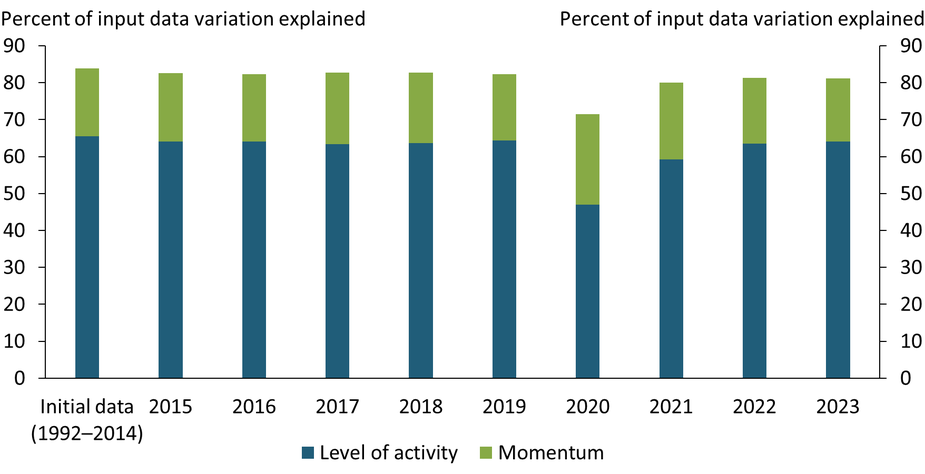
The Kansas City Fed’s Labor Market Conditions Indicators (LMCI) play a pivotal role in shedding light on current labor market trends. The monthly readings, such as those reported in September 2025, offer critical insights into the level of activity as well as momentum shifts. Although recent data suggests that the overall activity has decreased marginally, there is still a wealth of insight to be gained from these measurements.
Working through the LMCI findings, one notices that the small decline in level—moving from 0.32 to 0.25—indicates a modest slowdown in the pace of economic transactions. More intriguing, however, is the observation that this level remains above the historical average, suggesting an underlying stability despite the recent dip.
The accompanying momentum indicator, which has shifted from -0.23 to -0.32, points to a deceleration that cannot be overlooked. This nuanced change in economic momentum is a reminder of the subtle distinctions in market behavior over short periods. For business owners and economists alike, these small shifts are key indicators that help anticipate future trends.
Understanding the Significance of LMCI Data
The LMCI is more than just a set of numbers; it is a tool that provides insights into:
- Economic Activity: Assessing the current level of transactions and various economic outputs.
- Market Momentum: Evaluating whether the economy is speeding up or easing off in terms of growth.
- Policy Implications: Helping policymakers understand when to adjust economic measures to ensure continued stability.
For those who are trying to figure a path through the challenges of today’s economy, these indicators serve as valuable signposts. While they might carry a few nerve-racking bits of data, when dig into, they reveal layers of information that can guide decision-makers at all levels.
The Broader Impact on Regional and National Economies
Moreover, the interplay between regional reports like the LMCI and broader economic indicators published by the Federal Reserve helps clarify the implications for the national economy. Some of the fine shades and slight differences in regional data can often stream into national trends, thereby influencing policy decisions on a larger scale.
Taking a closer look at these developments, it becomes evident that the quality and frequency of these indicators are a testament to the diligent work of economists who routinely provide insights into both immediate and long-term economic conditions. When these closely monitored details come to light, business owners tend to adapt their strategies accordingly—whether that means reevaluating investment risks or introducing innovative technological solutions for better risk management.
Payments Infrastructure in the Video Game Industry: A Case Study in Innovation
One of the most unexpected yet fascinating developments of our time has been the evolution of the payments infrastructure within the video game industry. Although the subject might initially seem a departure from the traditional banking topics, it indeed reflects broader themes in technological integration, regulatory adjustments, and changing revenue models that ripple across all sectors.
Inside the gaming landscape, the intricate systems that support digital transactions are both key to sustaining the industry’s growth and emblematic of modern financial challenges. Issues such as managing digital currency flows, ensuring secure payment gateways, and responding to shifts in user behavior illustrate many of the fine points that define today’s economic research.
The Digital Divide and Changing Revenue Models
Notably, the gaming industry has come under close observation due to the complex interplay between evolving technology and updated regulatory concerns. As video games become more sophisticated, the revenue models associated with them have undergone transformations that are as challenging as they are innovative. The following points shed light on the major issues:
- Shift in Monetization: Traditional in-app purchases are giving way to subscription-based models and microtransactions, which require a delicate balance between consumer expectations and regulatory oversight.
- Data Security Challenges: With more money shifting to digital platforms, the potential for cyber-related risks increases, making risk management practices not only essential but also super important.
- Regulatory Developments: As digital payments evolve, regulators are tasked with crafting guidelines that ensure fairness and security without stifling innovation. This balance, while often intimidating, is key to fostering sustainable growth.
When one takes a closer look, it is clear that the case of the video game industry’s digital payment systems mirrors many of the challenges discussed in traditional banking analytics. For instance, the need to manage complex devices and platforms is rife with complicated pieces—the kind of tangible challenges that require a nuanced approach if they are to be resolved effectively.
How Lessons from Gaming Can Inform Broader Financial Practices
The iterative development of payments solutions within gaming offers several lessons that are applicable to conventional banking practices. Business leaders can learn how to use flexible, data-driven strategies to overcome regulatory obstacles and technological hurdles. Some key takeaways include:
- Agility in Strategy: Just as game developers frequently update their products to address user feedback, financial institutions can benefit from adapting quickly to changing market conditions.
- Collaboration for Innovation: The partnerships between technology firms and financial service providers underscore the importance of collaborative innovation when tackling the confusing bits of modern economic systems.
- A Focus on Security: Given the potential pitfalls involved in digital currency flows, reinforcing robust cybersecurity measures is a non-negotiable aspect of modern payment systems.
Thus, it seems that the digital evolution of the gaming industry offers a microcosm of broader financial evolution—emphasizing creativity, resilience, and rapid adaptation in the face of regulatory changes and market uncertainties.
Bridging the Gap Between Research and Practice in Economic Policy
An ongoing challenge in economic policy is the need to bridge the gap between in-depth research and its practical application in real-life regulatory and business scenarios. Federal Reserve reports, such as those outlining unconventional monetary policy spillovers and the convenience of U.S. Treasuries, remind us that data and research always have an impact on policymaking at every level.
The research papers and working briefs released by institutions such as the Kansas City Fed serve as critical tools for both seasoned economists and business leaders. They dig into arguments and findings that, while sometimes full of problems in interpretation, offer a roadmap to understanding how large-scale policies affect smaller-scale realities. In this environment, the key challenges include:
- Interpretation of Data: With layered research reports demonstrating slight differences and hidden complexities, deciphering the fine points requires both expertise and a willingness to engage with complicated pieces of information.
- Policy Implementation: Translating theoretical economic research into actionable policies poses numerous nerve-racking challenges. Policymakers often have to find their way through conflicting data sets and subtle shifts in the market.
- Balancing Diverse Interests: Process details in research reports underscore the tension between different stakeholders—a balance that must be maintained to ensure equitable treatment of consumers, businesses, and financial institutions alike.
In practical terms, it means that every report, survey, or briefing provides more than mere figures. They form an undercurrent that guides strategic decisions ranging from local community investments to national interest rate adjustments. Business leaders must therefore work through these insights to craft policies and strategies that harmonize the needs of both the market and the consumer.
Key Considerations for Policymakers and Industry Leaders
Given the pace of change in today’s economic environment, several considerations have emerged as super important for effective policy formulation:
| Factor | Considerations | Impacts |
|---|---|---|
| Data Transparency | Ensuring that reports and figures are accessible and easy to understand | Better informed policy decisions and enhanced public trust |
| Regulatory Adaptability | Timely updates to guidelines in response to technological and market shifts | Smoother market operations and reduced regulatory friction |
| Community Engagement | Incorporating local insights and tailored community development measures | Stronger local economies and more resilient small businesses |
| Educational Outreach | Bridging the gap between academic research and practical applications | Better prepared future professionals and more agile industry responses |
These factors not only highlight the current state of economic affairs but also help direct future initiatives in a balanced manner. When policymakers and industry leaders work through these small distinctions and subtle details, the potential for creating a more inclusive and robust economic environment increases dramatically.
The Road Ahead: Opportunities and Challenges in a Dynamic Economy
In closing, it is clear that the economic landscape—from banking innovations, community development efforts, to labor market insights and digital payment systems—presents both promising opportunities and challenging hurdles. Whether addressing the nerve-racking twists and turns of regulatory updates or managing the tangled issues presented by rapid technological advancements, the future of our economy is full of possibilities.
For business leaders, bankers, educators, and policymakers, the imperative is to remain agile, prepared, and committed to blending thorough research with practical solutions. By continuing to figure a path through the evolving data—such as those provided in LMCI reports or the evolving digital infrastructures in sectors like gaming—we equip ourselves with the essential tools needed to respond to tomorrow’s challenges.
As communities continue to embrace innovation and technological advancements, the need for a well-informed and agile approach to economic management becomes even more evident. The resources provided by the Kansas City Fed and similar institutions are more than just reports; they are a roadmap for navigating a future that is both promising and filled with twists and turns.
Strategic Responses for a Changing Economic Environment
In practice, the strategic responses to these challenges can be grouped into several actionable areas:
- Enhanced Data Interpretation: Businesses and policymakers must make use of the detailed analytics provided by Federal research institutions to develop proactive measures that address confusing bits in the data.
- Focused Community Investment: By investing in local development and educational resources, communities can foster a more resilient workforce and stimulate local economic growth.
- Regulatory Flexibility: Given the rapid pace of change within various sectors—from traditional banking to digital payments—it is crucial that regulatory frameworks remain flexible and responsive.
- Collaborative Innovation: Cross-sector partnerships, particularly those bridging technological advancements and economic research, are instrumental in fostering an ecosystem that benefits everyone—from small business owners to consumers.
With these responses, the overall aim is to not simply work through the challenges but to actively harness the opportunities that emerge from rapid innovation and evolving market trends. Although this landscape can seem intimidating at times, the available research provides a compass that guides decision-makers towards more effective and inclusive solutions.
In Conclusion: A Call for Integrated and Agile Economic Strategies
The multifaceted nature of today’s economic environment demands that all stakeholders—whether in banking, manufacturing, or digital sectors—take a holistic and agile approach. By engaging with detailed economic research, from labor market conditions indicators to community development reviews, industry leaders and policymakers stand in a better position to steer through the maze of modern economic life.
Ultimately, the synthesis of deep research and real-world practice should serve as a catalyst for change, encouraging innovation while preserving the integrity and stability of our financial system. Whether it is finding your way through the subtle complexities of digital payments or managing your way around the fine details of regional economic shifts, there is a clear need for strategies that are both flexible and robust.
As we look toward the future, let us embrace the innovations that drive progress, learn from the detailed lessons embedded in periodic reports, and work collectively to ensure that our economic policies are as dynamic as the challenges they aim to overcome. The road ahead may be full of complicated pieces and small distinctions, but it is a road that, with careful planning and collaborative effort, can be navigated successfully to foster resilience, innovation, and sustained growth in our communities.
In my view, the blend of rigorous data analysis, proactive community investments, and advanced educational tools is not only a promising strategy but also one that is super important for the continued health of our national economy. By remaining its audience and engaging with the insights provided by institutions like the Kansas City Fed, we can all contribute toward creating an economic environment that is responsive, inclusive, and ready for the future.
Let this be an invitation to all who are involved in shaping our economic destiny—from policymakers to investors, educators to technology developers—to appreciate the depth and breadth of information available, to navigate the tricky parts through collaboration and innovation, and to ultimately take the wheel in crafting a resilient, forward-looking economic strategy.
Originally Post From https://www.kansascityfed.org/data-and-trends/lmci/latest-data-for-the-kc-fed-labor-market-conditions-indicators/
Read more about this topic at
New data shows the US job market was much weaker than …
America’s job market flashes yet another warning sign …