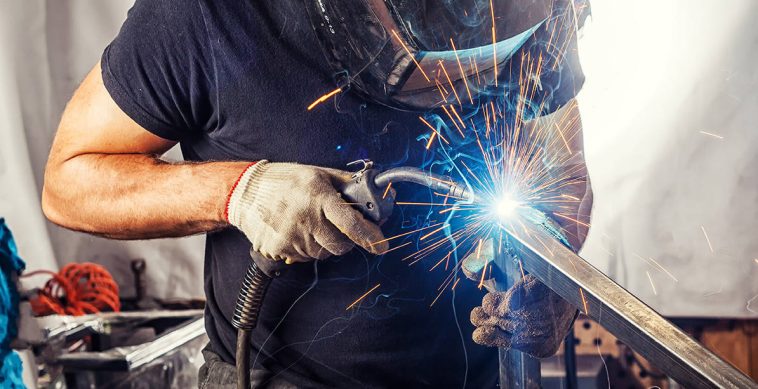
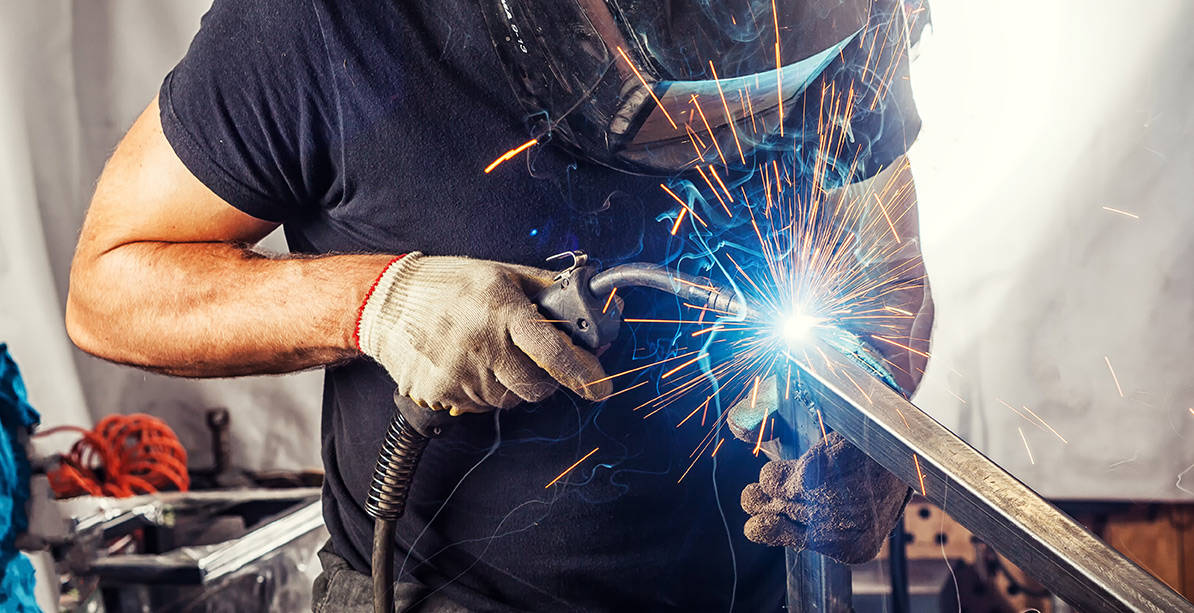
In the world of welding, selecting the right shielding gas can significantly impact the quality and efficiency of your projects. Shielding gases play a crucial role in gas metal arc welding (GMAW) and gas tungsten arc welding (GTAW), also known as TIG welding. These gases protect the weld area from atmospheric contamination, ensuring a stable and effective weld.
The Role of Shielding Gases
Inert gasses used in welding like argon, helium, and carbon dioxide create an inert or semi-inert atmosphere that prevents oxidation and other undesirable reactions during welding. The choice of shielding gas depends on factors such as the type of metal, desired weld quality, and cost considerations.
TIG Welding: The Art of Precision
What is TIG Welding?
TIG, or tungsten inert gas welding, uses a non-consumable tungsten electrode to produce a weld. It is praised for its precision, making it ideal for projects involving non-ferrous metals and materials requiring clean, high-quality welds.
Shielding Gases for TIG
- Argon Gas: The go-to choice for TIG welding, argon provides a stable arc and excellent weld area protection. It’s versatile and suitable for materials like aluminum, magnesium, and stainless steel.
- Helium Gas: Often mixed with argon, helium gas increases heat input, beneficial for deeper penetration and thicker materials.
- Hydrogen Gas: Used in small amounts with argon to enhance arc stability and reduce oxidation in stainless steels.
MIG Welding: Efficiency and Speed
What is MIG Welding?
MIG, or metal inert gas welding, employs a consumable wire electrode and is known for its speed and efficiency, making it suitable for large-scale productions and thicker materials.
Shielding Gases for MIG
- Carbon Dioxide: Pure or in combination with argon, carbon dioxide is cost-effective and offers good weld penetration, though it can produce a less stable arc.
- Argon Gas: When mixed with small amounts of oxygen, argon enhances the weld quality by providing a cleaner weld appearance.
- Oxygen Additions: A small percentage of oxygen can improve arc stability but requires careful management to avoid weakening the weld.
Choosing the Right Gas for Your Welding Process
Deciding on the correct shielding gas involves considering factors like metal type, desired weld appearance, cost, and thickness of the material. At PrimeWeld, the selection of gases like argon, helium, hydrogen, and carbon dioxide is tailored to meet specific project needs.
Frequently Asked Questions
What is the most commonly used shielding gas in TIG welding?
Argon is the most commonly used gas in TIG welding due to its ability to create a stable arc and offer excellent protection against atmospheric contamination.
How does carbon dioxide affect MIG welding?
When used in MIG welding, carbon dioxide is economical and provides deep penetration but can lead to a less stable arc and increased spatter compared to other gases.
Why is helium mixed with argon in welding?
Mixing helium with argon increases the heat input, making it ideal for welding thicker materials and achieving deeper penetration.
Conclusion
Understanding the properties and applications of different shielding gases is crucial for successful welding projects. Whether you’re working with TIG or MIG welding processes, selecting the right gas enhances weld quality and ensures efficient manufacturing.