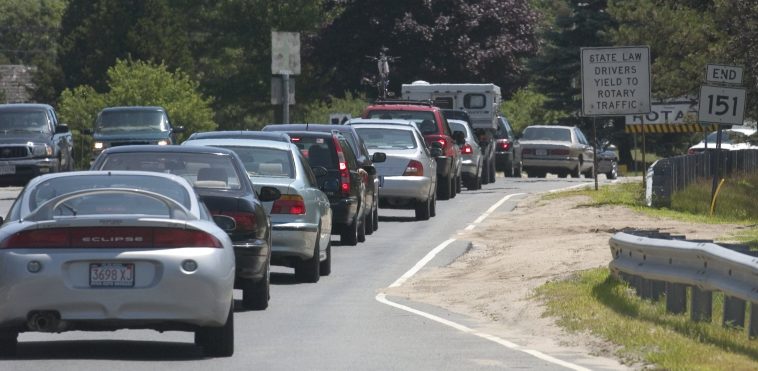

Mashpee Grocery Development: A Closer Look at Traffic Concerns and Community Impact
The proposed specialty grocery store in Mashpee is stirring up heated conversation for more reasons than its retail potential. As local planners and residents weigh in on the project, there are growing apprehensions regarding traffic congestion, pedestrian safety, and the overall effects on the surrounding businesses and neighborhoods. In this opinion editorial, we take a closer look at the project, examine the proposed traffic and safety improvements, and explore the potential long-term implications for the community.
Understanding the Proposed Project and Its Regional Implications
At the heart of the debate is a 13,229 square foot specialty grocery store, planned to be situated on 3.9 acres along Route 28 in Mashpee. The project, detailed in a filing by Shellback Development LLC—whose principal is Mark Bogosian—has already attracted significant scrutiny due to emerging concerns over traffic backups, bike and pedestrian safety, and vehicle flow around the area.
Developers, through their consultant Bowman Consulting, have suggested multiple measures aimed at mitigating potential traffic issues. These measures include enhanced traffic signal optimization, dedicated lanes at several intersections, and additional road strips. Despite these strategies, members of the Cape Cod Commission subcommittee remain skeptical. Their apprehension centers on whether these improvements can effectively address the tricky parts associated with significant local traffic changes.
Evaluating the Suggested Safety and Traffic Measures
During an August 11 public hearing, the Cape Cod Commission subcommittee assessed the proposed safety improvements presented by Bowman Consulting. The recommendations focused on six intersections identified as high-crash locations, as well as access roads to and from the planned construction site. The suggested safety upgrades include:
- Better directional and warning signs
- Traffic signal timing adjustments specifically calibrated for rush-hour pressures
- Implementation of additional road strips that aim to streamline vehicle flow
- Flashing yellow arrows to guide turning vehicles at critical junctions
- Establishment of dedicated turning lanes at key intersections
These proposals, while well-intentioned, face criticism from local officials. One subcommittee member, Thomas Wilson, emphasized the need for more detailed information regarding traffic congestion issues. His remarks point to a broader demand among local leaders for thorough and transparent data that can substantiate the projected benefits of these measures.
Another local voice, Mashpee Town Planner Brian Tobin, expressed concerns over the measures proposed for pedestrian and bicyclist safety. He specifically noted that the recommendations for reducing curb cuts along Route 28 did not appear entirely convincing. Tobin’s critique highlights how even seemingly straightforward solutions can involve complicated pieces that require careful evaluation and coordination with multiple state agencies.
Community Perspectives: Weighing the Benefits and Drawbacks
Community members, including long-time Mashpee residents, have expressed mixed feelings about the planned development. While some appreciate the promise of additional retail options and increased local employment opportunities, others fear the potential for significant disruption to daily life.
Brett Mitchell, a resident of Mashpee, voiced concerns that a new specialty store might transform what is currently a busy commercial corridor into a veritable traffic chaos. His worries include the possibility of a high speed limit on Route 28, hazardous crossing points for cyclists and pedestrians, and compromised emergency vehicle access to nearby condominiums. Such concerns underscore the vulnerability felt by community members, who often find themselves caught between the lure of modern development and the preservation of everyday safety and convenience.
In a similar vein, local official Peter Okun questioned the extent of measures taken to prevent traffic build-up from the busy intersections, including the specific challenges of vehicles coming from Falmouth turning left onto Shellback Way from Route 28. These remarks reflect a broader sentiment among local stakeholders who feel that the proposed traffic improvements may not be adequate for managing future congestion.
Analyzing the Data: A Closer Look at Vehicle Flow and Intersection Safety
Bowman Consulting’s presentation included detailed vehicle queueing numbers and diagrams outlining how traffic should ideally move through the affected intersections. The engineering analysis concluded that the overall traffic impact of the project would be minor. However, statistics and theoretical models alone are sometimes not enough to fully capture the reality of road use in a community that is already grappling with high demand on its local arteries.
Key intersections highlighted in the analysis include the Mashpee Rotary and various junctions where Route 28 meets Job’s Fishing Road, Shellback Way, Meeting House Road, Archers Path, and Red Brook Road. Table 1 below provides a concise overview of the proposed safety measures at these intersections:
| Intersection | Proposed Measure | Anticipated Benefit |
|---|---|---|
| Mashpee Rotary | Enhanced signals and dedicated lanes | Reduced crash risk and better flow |
| Route 28 & Job’s Fishing Road | Flashing yellow arrows and optimized timings | Smoother turning and less congestion |
| Shellback Way | Improved signage and road markings | Clearer navigation for busy merges |
| Meeting House Road | Additional road strips for lane expansion | Enhanced vehicle spacing |
| Archers Path | Signal timing revisions | Minimized waiting times |
| Red Brook Road | Dedicated turning lanes | Less conflict at vehicle junctions |
While the table above lays out a clear plan, critics point out that the devil is in the details. The little details of safely integrating these measures into an already congested roadway system remain a point of contention for local planning officials and residents alike.
Local Government and State Department of Transportation: Balancing Oversight and Innovation
In addition to facing public scrutiny, the project carries with it a set of procedural hurdles. As a development of regional impact, the proposal must undergo a site plan review by the Mashpee Planning Board and secure a special permit. Moreover, all safety mitigation measures need approval from the state Department of Transportation, an additional layer that underscores the challenges of coordinating local development with regional standards.
State officials and local planners now find themselves working through a full array of concerns. These include verifying the speed limits along Route 28—a particularly critical issue for pedestrian and cyclist safety—and making necessary adjustments to accommodate the additional traffic load. As part of a broader review process, the following key tasks have been identified:
- Confirming the current speed limit on the affected stretch of Route 28
- Ensuring that proposed safety enhancements align with state traffic regulations
- Validating data concerning vehicle queue lengths and traffic flow models
- Reassessing curb cut designs in alignment with the town’s Local Comprehensive Plan
This comprehensive approach is super important because managing your way through these coordinating tasks is crucial for safeguarding community interests while allowing for economic growth.
Potential Impacts on Local Businesses and the Broader Economic Picture
Beyond immediate concerns about traffic and safety, the proposed development has a ripple effect on Mashpee’s broader economic landscape. The specialty store is set to be located in a zone that is already bustling with diverse commercial activities. Currently, the area features a Rockland Trust bank, several condominium clusters, and is a short drive from both the Mashpee Rotary and Mashpee Commons.
Moreover, other planned developments along Route 28—including an affordable housing project and a new Chipotle restaurant—indicate that the area is on the brink of substantial change. While increased commercial activity could spur local economic benefits like job creation and enhanced retail options, the juxtaposition of these uses on a single corridor could also intensify local traffic challenges.
The dual nature of this situation—where economic growth meets logistical congestion—illustrates the tricky parts of urban planning. Municipal leaders must figure a path that strikes a balance between stimulating the local economy and ensuring the day-to-day livability of the community. Highlighted below is a bullet list summarizing key economic pros and cons:
- Pros:
- Increased local employment opportunities
- Potential boost to local retail and service industries
- Enhanced property values in the vicinity, driven by improved infrastructure investments
- Cons:
- Rising traffic congestion and potential safety hazards
- Possible strain on public services like emergency response
- Risk of negative externalities on existing small businesses due to increased competition
Looking at the Big Picture: Urban Planning and Traffic Engineering Challenges
From an urban planning perspective, integrating a new commercial venture into an already busy corridor is never a straightforward task. The current debate brings into focus several issues that urban planners must address, including managing vehicle backlog, ensuring sufficient sidewalk and bike lane provisions, and maintaining emergency vehicle access.
Issues related to vehicle flow are not isolated to the proposed project alone. Instead, they are indicative of the broader challenges facing many towns experiencing rapid commercial expansion. The subtle parts of this debate involve reconciling the need for modern retail facilities with the established patterns of local travel and the existing infrastructure capacity of Mashpee. In many ways, this situation serves as a microcosm of the challenges confronting small towns and suburban areas across the United States.
Engineers and planners must get into the nitty-gritty of aligning objectives. In doing so, they are tasked with rethinking traffic signal patterns, reevaluating lane design, and making sure that improvements on paper translate effectively to road safety and operational efficiency on the ground. The current discourse around the Mashpee project clearly shows that while technical analyses might predict minor impacts, the lived experience of traffic congestion often tells a different story.
Community Safety and Accessibility: What Do the Residents Say?
One of the most contested aspects of the project is its potential impact on pedestrian and bicyclist safety. Local residents have expressed unease about how changes in traffic flow might affect the safety of non-motorized road users. Concerns have been raised about the safety of crossing a busy bike path to access Shellback Way, as well as how emergency vehicles might navigate the area effectively, especially during peak hours.
Brett Mitchell’s pointed comment at the public hearing—that the extensive operating hours proposed for the market (up to 15 hours a day, seven days a week) could turn Mashpee into a traffic nightmare—resonates with many. His remarks highlight the often tense atmosphere surrounding new developments that require both innovative traffic solutions and stringent safety measures. The underlying tension is that while the project might be beneficial from an economic standpoint, without careful planning, it could significantly compromise the quality of life for local residents.
Community safety is a multi-layered topic that encompasses several of the following points:
- Pedestrian crossings and clear signage to reduce run-ins with fast-moving vehicles
- Robust infrastructure for cyclists, including well-marked bike lanes
- Continuous monitoring and potential re-adjustment of speed limits to foster a safer environment
- Coordinated emergency response planning that factors in possible bottlenecks from increased traffic
Local officials and transit experts agree that finding your way through these challenges will require close collaboration between state transportation agencies and municipal authorities. This collaboration is key to preserving both the intended benefits of the new development and the safety and mobility of residents who use these spaces daily.
Economic Development Versus Local Quality of Life: Striking the Right Balance
In Mashpee, as in many small communities, the trade-off between economic development and preserving a peaceful way of life is a recurring dilemma. Economic growth brings with it a host of new opportunities, including increased tax revenue, more jobs, and improved local services. However, these benefits must be carefully balanced against potential negative side effects like traffic congestion, reduced accessibility on residential streets, and heightened risks for pedestrians and cyclists.
Comparing the proposed grocery store with other planned projects along Route 28, one finds that the region is poised for significant change. For instance, an affordable housing project consisting of 120 units and a well-publicized Chipotle restaurant are also in the pipeline. Each development brings its own set of tricky parts. The challenge for local leaders is to ensure that cumulative impacts do not overwhelm the existing infrastructure and degrade overall quality of life.
Table 2 below presents a side-by-side look at various planned projects in the area and their presumed impact on traffic and local amenities:
| Project | Key Features | Potential Impact on Traffic & Community |
|---|---|---|
| Specialty Grocery Store | 13,229 sq ft store, extended business hours | Increased vehicle movements, potential congestion |
| Affordable Housing Complex | 120 & 65-unit developments | Higher residential density, increased pedestrian traffic |
| Chipotle Restaurant | 44-seat dining facility | Moderate impact with emphasis on take-out and drive-thru |
This comparison underscores the fact that each project brings nuances—be they improvements or detriments—to the local infrastructure. It is imperative, therefore, for local planners to work through detailed and clear assessments of each development’s projected impact, always keeping in mind the super important goal of protecting community well-being.
Challenges in Coordinating Multi-Agency Approval Processes
Beyond local opinions and technical recommendations, the project faces another challenge: the complex maze of bureaucratic approvals. As a development of regional impact, the project is not simply a matter of local policy but requires coordination among community planning boards, a site plan review with Mashpee officials, and permission from the state Department of Transportation. Each approval step introduces its own sets of twists and turns that can delay implementation or necessitate reworking of planned measures.
Local leaders and developers now must figure a path through a series of stringent checks and balances. The detailed assessments required include:
- Confirming that the planned safety improvements meet state standards
- Validating traffic flow models with real-world projections
- Reassessing proposed layouts for pedestrian walkways and curb cuts in line with the town’s Local Comprehensive Plan
- Ensuring that all proposed measures receive timely approval to avoid delaying the overall project
This multi-agency coordination is nerve-racking for many involved. It represents one of those off-putting challenges where good intentions must first pass through the gauntlet of public hearings, technical reviews, and inter-agency discussions before any development can move forward.
Public Hearings: The Importance of Community Engagement
Public hearings, like the one held on August 11 and the scheduled follow-up on September 3, are critical forums for airing both the pros and cons of a project. These meetings give residents, local officials, and project representatives a stage to discuss the proposed measures in detail. However, these debates also expose the underlying divisions in community sentiment, often reflecting a blend of optimism for development and a cautious skepticism about its practical outcomes.
For many local residents, the public hearing is a rare opportunity to voice concerns directly to decision-makers. The following are some of the core issues raised during these meetings:
- Concerns over whether the proposed traffic signal optimizations are sufficient to manage increased vehicle flow.
- Questions about the adequacy of measures to protect pedestrians and cyclists, particularly in areas already burdened with heavy traffic.
- Apprehension about the impact of prolonged business operating hours on local residential life.
- Calls for more detailed, data-driven presentations that address the potential for road bottlenecks and emergency access inefficiencies.
These discussions underscore the fact that the project is as much about addressing community fears and expectations as it is about fostering economic growth. Effective community engagement calls for transparent, straightforward data—without the hidden complexities—so that every stakeholder can truly understand the potential benefits and risks.
Bridging the Gap Between Development Aspirations and Local Realities
One of the most challenging tasks facing local authorities is bridging the gap between the ambitious aspirations of developers and the tangible realities experienced by residents. The envisioned specialty grocery store seeks to introduce retail innovation and increased local convenience. Yet, the counterbalance to that positive economic spin is the very real possibility of disrupted traffic patterns and compromised safety conditions for those who live and work in the area.
Local officials must work through the following areas to find solutions that benefit both sides:
- Traffic Engineering Revisions: Reexamining road layouts, traffic signal patterns, and lane designs to accommodate increased vehicle flow.
- Enhanced Pedestrian Infrastructure: Investing in additional crosswalks, better lighting, and possibly even designated pedestrian zones near the new development.
- Robust Public Communication: Keeping residents informed about progress, changes, and how their feedback is shaping final implementations.
- Strategic Phasing: Considering a phased rollout of development features to monitor impacts before fully scaling up operations.
Local elected officials and department heads will have to sort out these issues from multiple angles. The process requires constant dialogue between the developer and the community, with the understanding that even the most sophisticated engineering models can sometimes miss the subtle details of daily life on the roads.
Lessons from Other Regions: Insights for Mashpee’s Future Development
Looking at similar projects in other regions provides valuable insights for Mashpee. Many municipalities have faced traffic challenges when introducing large-scale retail developments, and some have succeeded by implementing integrated transportation management systems. These systems combine real-time traffic monitoring, adaptive signal control, and coordinated emergency response strategies, all working together to ease congestion in busy areas.
Several key lessons emerge from these experiences:
- Proactive Infrastructure Upgrades: Municipalities that invest ahead of time in improving roadways tend to fare better when new developments arrive. Proactive measures include widening roads and upgrading intersections.
- Enhanced Data Collection: Relying on live traffic data rather than solely on predictive modeling can help address sudden changes in volume. Implementing smart sensors and traffic cameras can provide immediate feedback for adjustments.
- Community-Centric Design: Involving local residents early in the planning process ensures that their day-to-day movement and safety are considered. Town hall meetings and digital platforms can be key in gathering this input.
- Coordinated Interagency Efforts: Strong cooperation between local government, state agencies, and private developers is essential. This collaboration makes it easier to meet stringent safety standards while still encouraging economic investment.
These examples illustrate that while the challenges are real and often nerve-racking, they are not insurmountable. By taking a holistic approach that combines traffic engineering with community input, municipalities can work through the complicated pieces of modern development and create a model that benefits both growth and local well-being.
Looking Ahead: The Path to a Safer, More Prosperous Mashpee
The outcome of the public hearings, future site plan reviews, and discussions with the state Department of Transportation will likely determine the pace and scale of the proposed development. As Mashpee navigates through these discussions, the need for detailed, transparent information is more essential than ever. Only through honest dialogue and thoughtful planning can the project balance the new economic opportunities with the off-putting challenges of increased traffic and safety risks.
In the coming weeks and months, community members and local leaders alike will continue to debate and negotiate the finer points of the development’s impact. It will be crucial for all involved parties to keep their focus not just on the short-term inconveniences but also on the long-term vision for Mashpee—a vision that prioritizes both growth and the everyday quality of life.
As discussions move forward, several key areas remain on the agenda:
- Clarification and confirmation of current and proposed speed limits along Route 28.
- Reevaluation of curb cuts and pedestrian crossings in line with the town’s Local Comprehensive Plan.
- Enhanced coordination with state transportation officials to ensure that all safety measures can be appropriately integrated.
- Ongoing community engagement, making sure that local voices continue to shape the final outcome.
These steps are critical to creating a development environment where a new specialty store can thrive without compromising the daily safety and convenience of residents. The process, though challenging and at times intimidating, is an essential part of ensuring that growth benefits the community as a whole.
Conclusion: Finding the Right Balance in a Changing Landscape
In our rapidly evolving economic landscape, projects like Mashpee’s proposed specialty grocery store offer both promise and precaution. While the new development represents a super important opportunity for economic growth and modernization, it also brings a host of additional challenges that need careful consideration. The perspectives of local residents, town planners, state officials, and developers all contribute to a broader understanding of how best to integrate modern retail ventures with long-standing community values and infrastructure constraints.
Ultimately, this debate is not simply about traffic signal timings or road markings—it is about ensuring that the community’s voice is heard and that every new twist and turn in development planning is managed thoughtfully. Local governments, developers, and residents must work together to figure a path that embraces progress while maintaining the quality of life that Mashpee’s citizens cherish.
By taking the time to poke around the multiple layers of this issue—from the fine points of traffic engineering to the subtle details of community safety—we can build a future where economic development does not come at the expense of local well-being. Instead, it can be a model of responsible growth, where every stakeholder finds a way to get around the hurdles and steer through the challenges ahead.
As Mashpee moves forward with its planning process, the coming public hearings and review board sessions will serve as crucial checkpoints on the road to a balanced and prosperous future. In this phase, clear communication, proactive infrastructure investments, and a sincere commitment to community engagement will be the cornerstones of success. Only then can Mashpee truly transform a nerve-racking set of proposals into a shining example of progressive and inclusive urban development.
While significant work remains to be done, there is opportunity for learning and adaptation. The ongoing dialogue in Mashpee is a sign of a community deeply invested in shaping its future. With careful planning and a shared vision, the challenges we see today can evolve into the well-managed successes of tomorrow.
In closing, the story of this specialty grocery store is more than just a tale of traffic and safety measures—it is a narrative about the interplay between modern development and community values, the balancing act between economic potential and local quality of life, and the enduring commitment of a community to make informed, thoughtful decisions for its future.
Originally Post From https://www.capecodtimes.com/story/news/2025/08/16/mashpee-speciality-grocery-store-traffic-nightmare-congestion-route-28-shellback-falmouth-road/85616207007/
Read more about this topic at
The Dangers of Traffic Congestion
Galaxy Concerns – Traffic Nightmare – Bandcamp